
Learn About HVAC & Home Performance In Houston
While both refrigeration and air conditioning systems share similar components and principles of heat exchange, their key difference lies in their purpose of use – refrigeration aims to preserve, while air conditioning aims to provide comfort. These distinctions are essential in understanding their respective applications and roles in our daily lives. This guide is for you if you are concerned about issues such as: “Is refrigeration cooling better than air conditioning?” and wish to know the difference between the two.
What Is The Main Difference Between Refrigeration And Air Conditioning?
The primary difference between air conditioning and refrigeration is their usage purpose and temperature control objectives. Refrigeration is designed for the preservation of perishable items and the maintenance of low temperatures. It operates at temperatures below freezing, slowing down the growth of bacteria and extending the shelf life of food and other goods. Refrigeration systems, such as those found in refrigerators, freezers, grocery stores, and refrigerated trucks, work diligently to keep items fresh and prevent spoilage.
Air conditioning, on the other hand, is mainly focused on human comfort by providing a controlled indoor climate. It operates within a temperature range typically set between 68-78°F, ensuring that occupants of homes, offices, and commercial spaces remain comfortable during hot or humid weather. Air conditioning systems use a cycle of refrigeration to remove heat from indoor air, thereby cooling it and creating a pleasant environment.
Almost all homeowners have a pressing query, “Should I switch to refrigerated air?” If you are in a hot and humid place, you should not think twice before installing a new AC unit. If it has already been a decade, you may want to consider replacing your home’s unit for a new one. There are several benefits to hiring a contractor for a new AC unit or replacement.
What Is The Technical Difference Between Refrigeration And Air Conditioning?
Air conditioning and refrigeration serve distinct purposes, with air conditioning designed for human comfort and refrigeration primarily aimed at preserving perishable goods.
Supply
- Refrigeration — In refrigeration systems, the primary objective is to supply and maintain very low temperatures for the preservation of items such as food or laboratory samples. These systems are designed to create a cold environment within a specific space, such as a refrigerator or freezer.
- Air Conditioning — Air conditioning systems supply cooler air to indoor spaces to provide comfort during hot weather. They are intended to create a comfortable indoor climate by lowering the temperature of the circulating air.
Vaporization
- Refrigeration — Refrigeration generally involves the vaporization of refrigerant in the evaporator coil to absorb heat from the surroundings. This phase change from a liquid to gas allows the system to extract thermal energy, resulting in cooling.
- Air Conditioning — Air conditioning systems also use vaporization, but in this case, it occurs in the evaporator coil to remove heat from indoor air. The cooling effect is achieved by changing the refrigerant from a liquid to vapor form, which absorbs heat from the indoor environment.
Circulation
- Refrigeration — In refrigeration, the circulation of refrigerant is focused on maintaining a consistently low temperature within the designated space. Refrigeration means cooling without circulation of air as is extensively seen in air conditioning circulation systems.
- Air Conditioning — Air conditioning systems circulate both air and refrigerant. They take warm indoor air, remove heat from it through the evaporator coil, and then supply cooler air back into the indoor space. The circulation of air is a key component of creating a comfortable environment.
How Does An Air Conditioner Work In Homes?
Air conditioners work by utilizing a refrigeration process to cool indoor air, improve air quality, and maintain consistent air temperature. In the cooling mode, air conditioners draw in warm room air, which contains thermal energy to spew cold air from the indoor unit. This air passes over a set of coils containing a cooled liquid refrigerant, such as liquid freon, causing the refrigerant to evaporate.
During this air conditioning process, the refrigerant absorbs heat from the ambient air, cooling it in the process. The gas at a higher temperature is then compressed by a compressor in the outdoor unit, raising its temperature even further. This heated gas is released into the outdoor air, allowing the thermal energy to flow out. In window AC, a single unit encompasses both the evaporator and condenser coils.
Finally, the refrigerant returns to its liquid state, and the cycle repeats. This circulation system of heat transfer follows the same principle, whether it’s a window unit or a central air system, making spaces cooler and more comfortable.
What Are The Basics Of Air Conditioning And Refrigeration?
Air Conditioning: Cooling Comfort
Purpose
- Home Comfort — Air conditioning is primarily designed for cooling indoor spaces, such as homes, offices, and commercial buildings, to create a comfortable and controlled cooling temperature environment unlike refrigeration systems.
Working Principle
- Heat Exchange — Air conditioning systems use a cycle of refrigeration to project cool air by transferring hot and compressed air from the indoor to the outdoor environment. They cool the indoor air by removing heat, providing cooling comfort.
Components
- Evaporator Coil — Absorbs heat from indoor air.
- Compressor — Pressurizes the refrigerant gas.
- Condenser Coil — Releases heat to the outdoor air.
- Expansion Valve — Reduces the refrigerant pressure.
Refrigeration: Preserving Freshness
Purpose
- Preservation — Refrigeration is designed for preserving perishable items and maintaining low temperatures, primarily in food storage and transportation. Commercial refrigeration is used in cold chain logistics and food storage to prevent the natural flow of microbial growth.
Working Principle
- Temperature Control — Refrigeration systems maintain temperatures well below the freezing point of water, slowing down the growth of bacteria and extending the shelf life of food items.
Components
- Evaporator — Absorbs heat from the storage area.
- Compressor — Compressor compresses the refrigerant to increase its pressure and temperature.
- Condenser — Releases heat to the surrounding environment.
- Expansion Valve — Reduces the refrigerant’s pressure as part of the coolant system, leading to cooling.
What Is The Difference Between Cooling And Refrigeration?
Cooling is a broad term that encompasses various methods used to lower the temperature of a space, substance, or system. It is often applied to achieve a comfortable environment in indoor spaces, such as homes and offices, and can involve a cooling system like air conditioning, fans, or even natural ventilation.
Refrigeration, on the other hand, is a specific and more specialized form of cooling mechanism designed for the preservation of perishable items and the maintenance of extremely low temperatures in a confined space.
Refrigeration systems are engineered to operate at temperatures significantly below freezing, which is essential for slowing down the growth of bacteria and extending the shelf life of food, medicines, and other temperature-sensitive products. It is not simply about providing cooled air in a warm environment.
What Is The Difference Between Cooling And Air Conditioning?
Cooling refers to the process of reducing the temperature in a specific area or environment. Cooling can be achieved through various means, such as natural ventilation, fans, or even shade. A main difference between air conditioning and cooling is that the latter aims at creating a more comfortable inner environment without necessarily involving complex technology or having a focus to maintain humidity.
Air conditioning, on the other hand, is a specific and more advanced method of cooling. It involves the use of mechanical systems, such as air conditioners, to not only lower the temperature of an indoor space but also control humidity levels.
Air conditioning systems allow for enhanced cool air capacity since they use a cycle of refrigeration to extract hot air from the indoor space, resulting in cooler, drier, and more comfortable conditions. They are designed to provide precise temperature control, making them suitable for homes, offices, commercial spaces, and industrial environments.
What Is Refrigeration In Refrigeration And Air Conditioning?
In the broader sense, “refrigeration” refers to the technology and processes used to lower and maintain temperatures below the room temperature. It encompasses a wide range of applications beyond air conditioning, including food preservation, industrial cooling, scientific research, and more. In this manner, refrigeration involves the use of a refrigerant to absorb heat from a space or substance, resulting in lower temperatures.
“Refrigeration” in the context of air conditioning specifically refers to the cooling process used to provide air conditioned air. Air conditioning systems utilize refrigeration cycles to lower the ambient temperature and control humidity in indoor spaces. In this case, refrigeration is a component of the broader field of air conditioning, focusing on creating a comfortable indoor environment.
What Does Refrigeration Mean For Cooling?
Refrigeration is a method employed to create a cooling effect by removing heat from a specific space, substance, or environment. Refrigeration systems utilize a refrigerant, which is a specialized fluid, to absorb heat from the surroundings and then release that heat elsewhere, resulting in a reduction of temperature within the targeted area. Air conditioning systems incorporate refrigeration cycles to cool and dehumidify indoor air, creating a comfortable and controlled indoor environment.
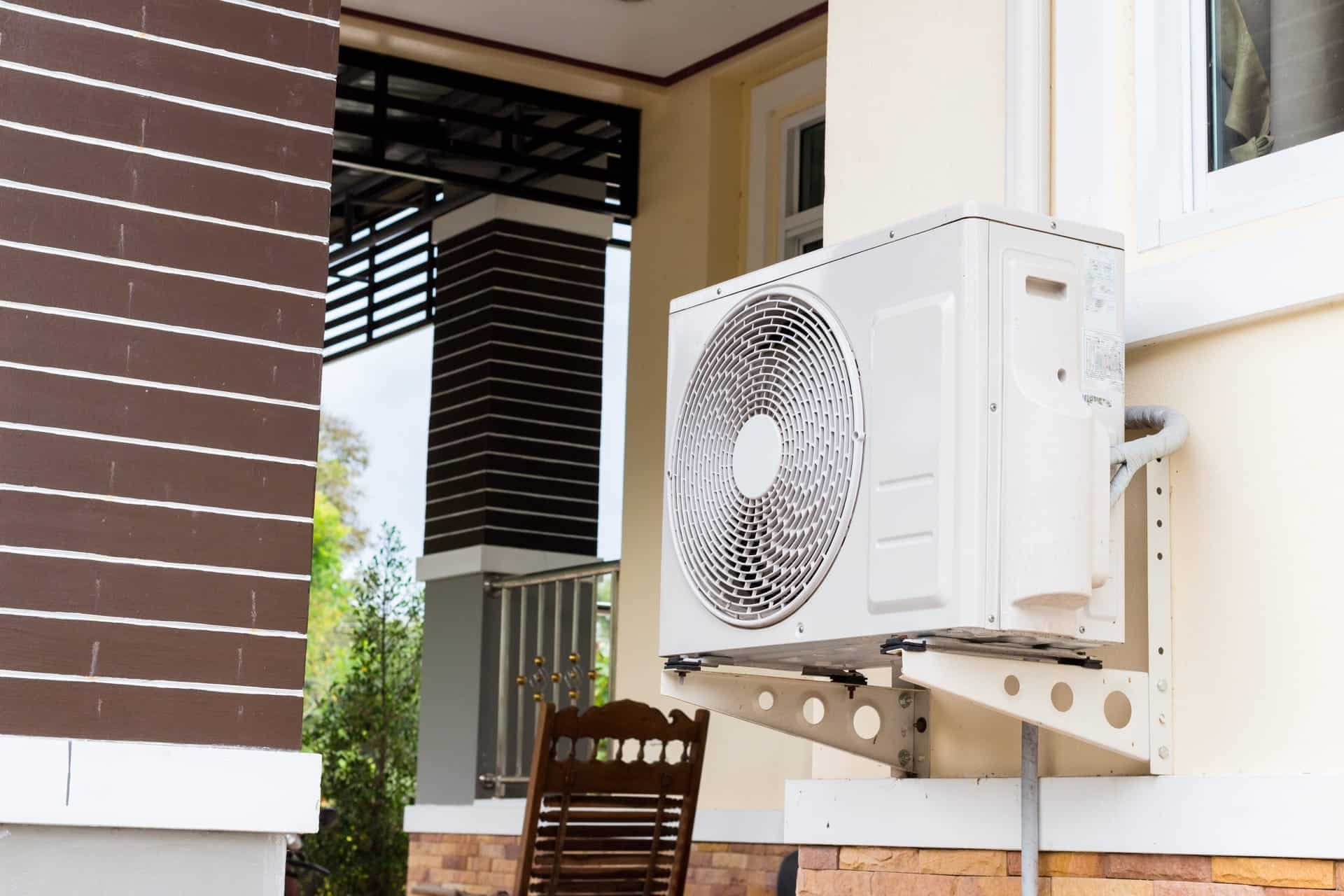
Choose Experienced And Trusted AC Installation And Repair Contractors in Texas
The dedicated AC experts at House Pro bring extensive skills and experience and an unmatched commitment to every project. Our professionals are known for their versatility, professionalism, and dedication to customer satisfaction. We understand the unique climate challenges of the Houston area and are here to provide customized AC installation, replacement, repair, and maintenance solutions that match with your needs. Call us today or fill out an online form to reach us.